The living legacy of Gondwana
One ancient lineage, two ends of a continent
From the Daintree's lowland canopy to the misty beech forests of New South Wales, Australia's rainforests are living descendants of the oldest forests on Earth. Here's the deep-time story that connects them and why protecting them matters more than ever.
Close your eyes and travel back 180 million years. There is no Australia yet. No Pacific, no Tasman Sea. Instead, there is Gondwana, a single vast supercontinent, with what would become Australia nestled against Antarctica, South America, Africa and India. And blanketing much of it, in a warm and humid world, is rainforest.
Then Gondwana begins to break apart. Continents drift. Climates shift. Most of that ancient forest is lost, to fire, to drought, to the slow grinding of deep time.
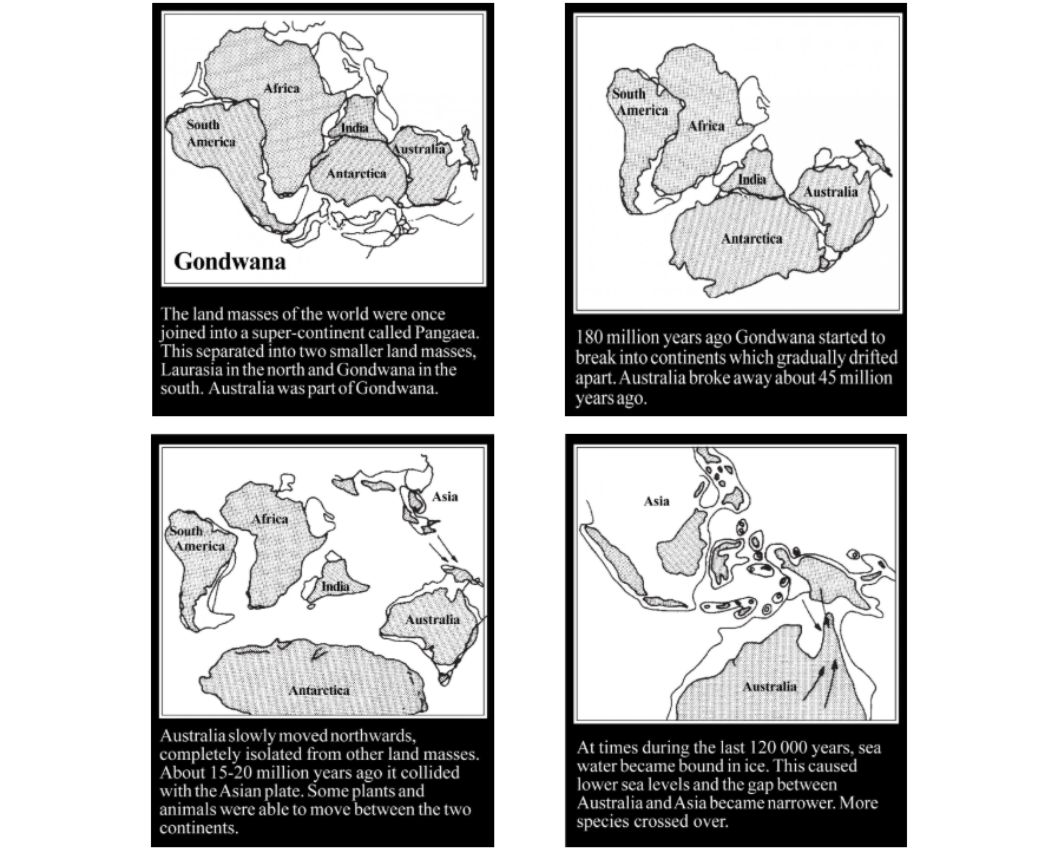
Map of the Gondwanan continental drift. Image: The Wet Tropics Management Authority
But not all of it. In a handful of places, the old forest held on. Sheltered in pockets of high rainfall and stable climate, fragments of that original Gondwanan rainforest survived, carrying with them plants and animals that have barely changed in tens of millions of years. They are not simply old forests. They are living descendants of the world's oldest rainforests, and they still grow on Australian soil today.
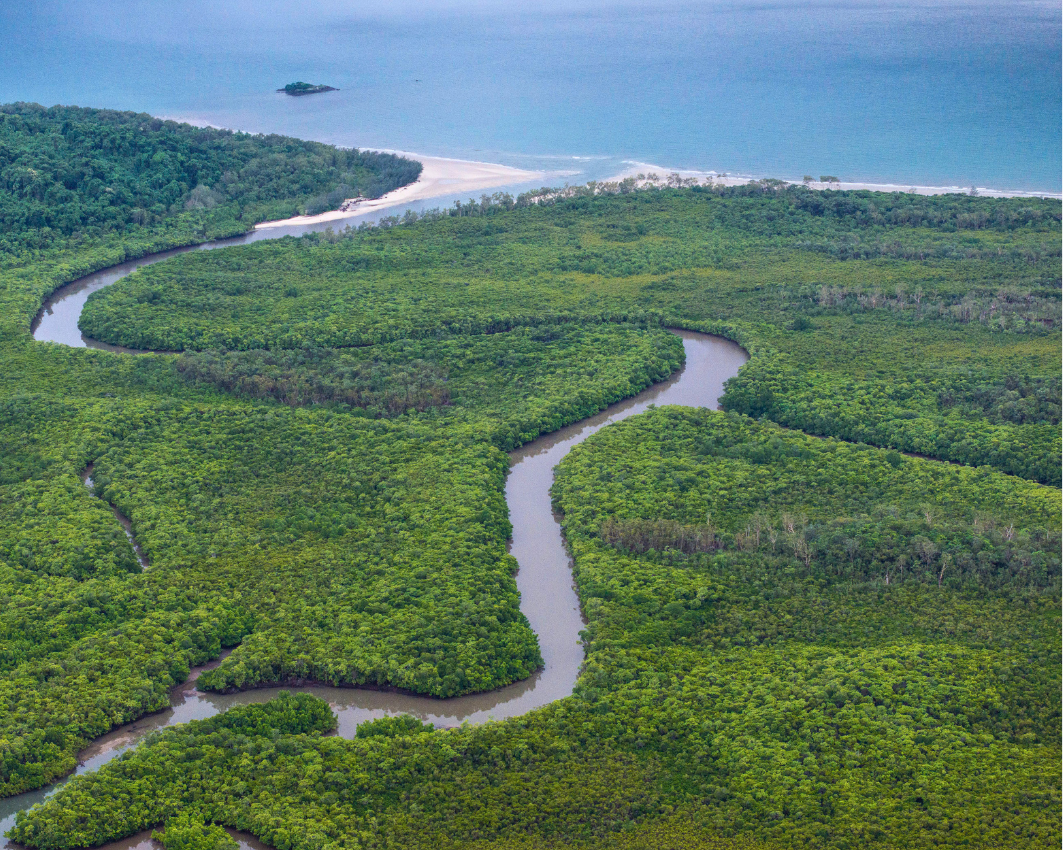
Image: Steven Nowakowski.
The north
In Far North Queensland, the Daintree Lowland Rainforest is one of the oldest continuously surviving rainforests on Earth. Walk beneath its canopy and you are walking through a living museum of plant evolution.
Of the world's 19 families of primitive flowering plants, the ancient lineages that reveal how flowers first came to be, 12 are found here. These are the plants scientists turn to when they want to understand where flowering plants began, more than 100 million years ago.
The most famous of them is the Green Dinosaur, Idiospermum australiense.
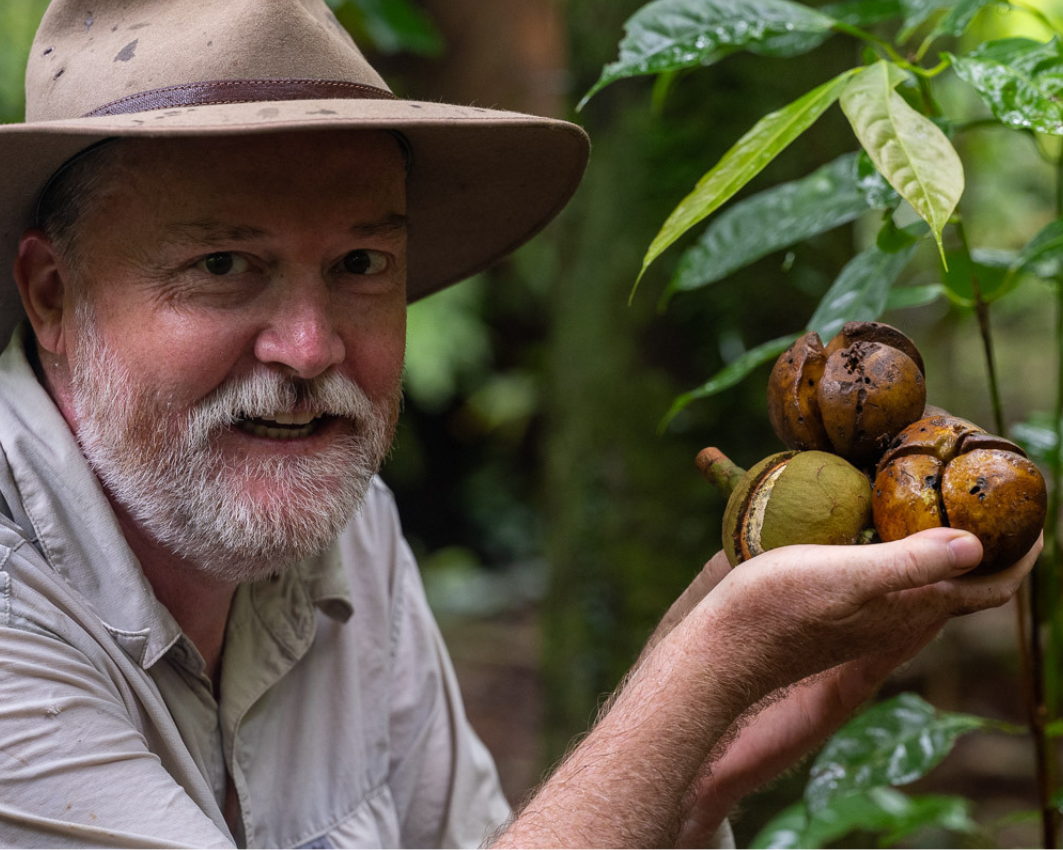
Kelvin Davies and the Green Dinosaur (Idiospermum australiense). Image: Steven Nowakowski
Once thought extinct, it was rediscovered in the Daintree in the 1970s after its seeds turned up in the stomachs of cattle that had eaten them. It belongs to an ancient lineage of flowering plants dating back over 120 million years, to a time when dinosaurs still walked the forest floor. It is the sole member of its entire plant family. There is nothing else like it on Earth, and it survives in only a few small pockets of the Daintree, including the freehold lots we work to protect.
The Green Dinosaur is not alone. The same forest is home to the Southern Cassowary, a flightless bird from one of the most ancient bird lineages on the planet, along with Bennett's Tree-kangaroo, the Spotted-tailed Quoll, and hundreds of plant species found almost nowhere else.
Join our community and help protect ancient rainforests.
The south
Now travel some 2,000 kilometres south. Along the ranges of northern New South Wales and the Queensland border, a different chapter of the same story survives. These are the subtropical, warm temperate and cool temperate rainforests known as the Gondwana Rainforests of Australia, the most extensive subtropical rainforest in the world, and one of the most significant collections of Gondwanan forest left anywhere.
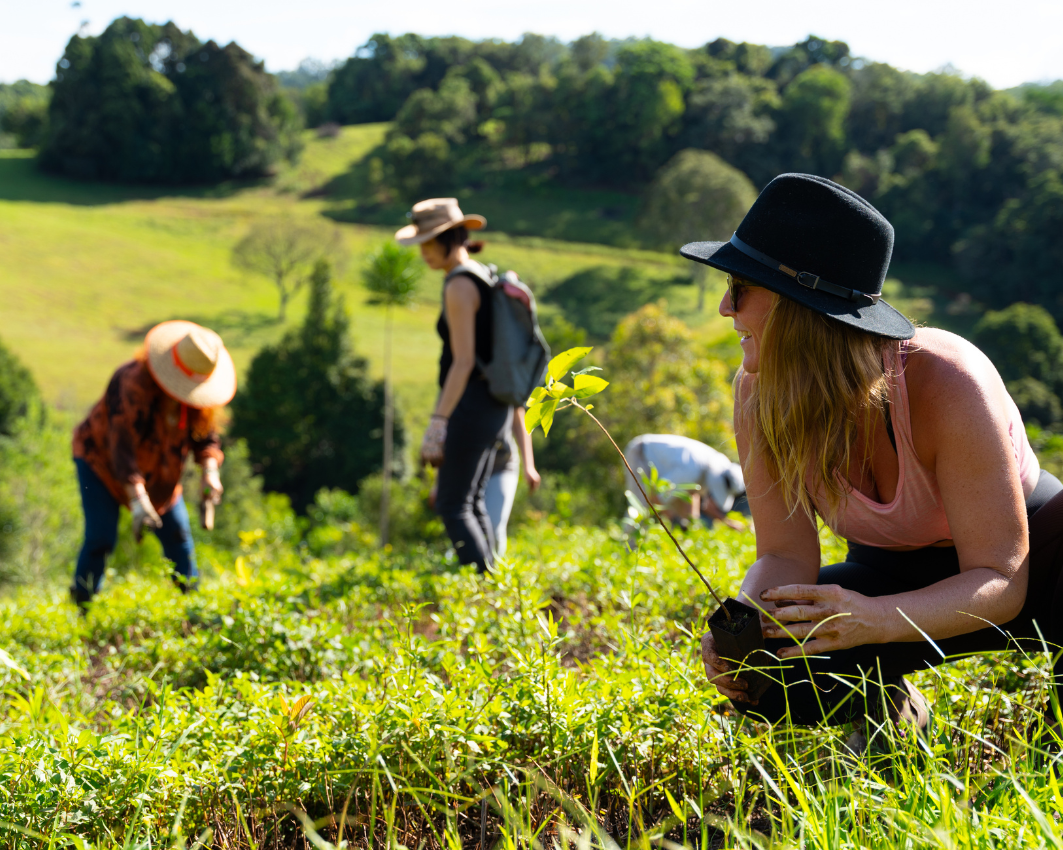
Tree planting in the Big Scrub rainforest.
Like the Daintree, this is a place where the past is not buried in stone, but alive in the canopy. These northern New South Wales rainforests are the second front of our restoration and protection work and they belong to the very same ancient story.
One lineage
It would be easy to think of the Daintree and the rainforests of New South Wales as separate worlds. One is tropical, dripping and warm; the other is cool, misty and high. They sit in two different World Heritage Areas, more than a thousand kilometres apart.
But they are two ends of a single ancient lineage. Both are remnants of the forests that once covered Gondwana. Both shelter plants and animals that remain remarkably unchanged from their fossil ancestors. Both are places where, against all odds, the deep past is still breathing.
Australia's rainforests cover a tiny fraction of the continent, far less than one per cent, yet they hold close to half of all our plant families. They are the survivors. And what makes them irreplaceable is also what makes them fragile: once a lineage this old is broken, it is gone forever. No replanting, no restoration, no future discovery can bring back 120 million years of unbroken history.
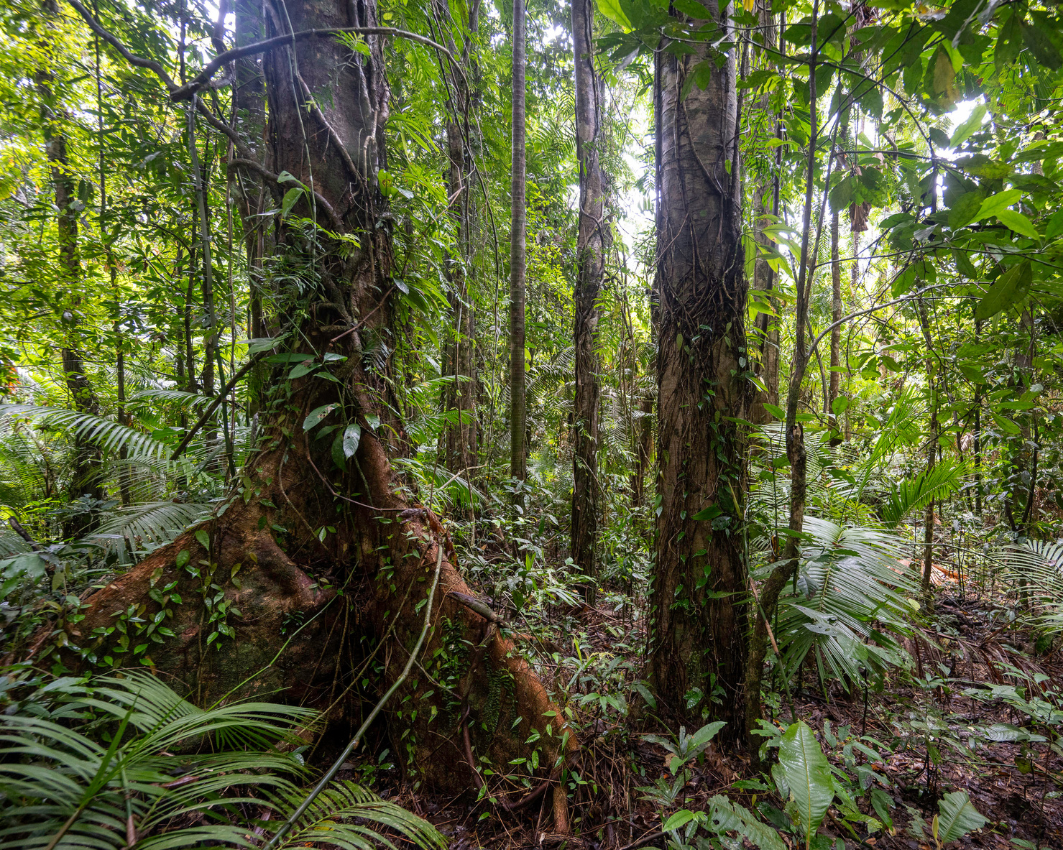
That is what is at stake every time a block of this forest is cleared. And it is what is secured, permanently, every time a block is protected.
Protecting the living legacy
This is the heart of what we do. Under our Save the Daintree program, we purchase at-risk rainforest properties in the Daintree for conservation to protect them forever. In the Daintree, that protection has reached its highest expression: properties acquired by our community have been transferred into the Daintree National Park (CYPAL), cared for by the Eastern Kuku Yalanji people as Traditional Owners, returned to the hands of those who have cared for this Country for tens of thousands of years.
Every property protected is another piece of the Gondwanan story kept whole.
You can be part of that story. When you support our work, you are not just protecting or planting trees. You are protecting a living thread that reaches back to the supercontinent itself, one of the last places on Earth where the world's most ancient forests still grow.
Join our community and help protect ancient rainforests.